

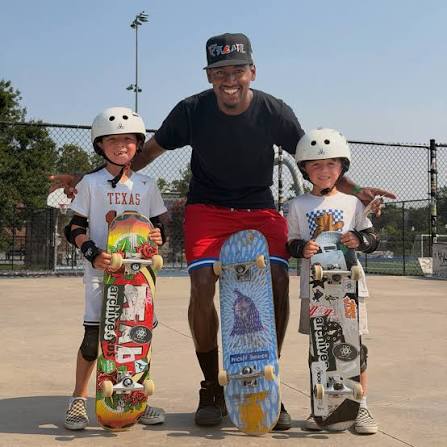
Skateboarding is an extraordinary journey that transforms a simple piece of wood with four wheels into a vehicle for personal expression, creativity, and endless physical adventure. Every legendary www.sk8-school.net/ skater you see today started in the exact same place, standing bewildered on a brand-new board with no idea how to balance, push, or roll smoothly. The transition from taking that tentative first push on flat pavement to landing a clean, snapping kickflip down a curb represents countless hours of practice, dedication, and resilience. However, embarking on this journey without a clear roadmap can leave you feeling frustrated, bruised, and unsure of how to progress safely. Many beginners try to rush the learning process, attempting advanced tricks before they have mastered basic board control, which often leads to poor form and preventable injuries. Having a structured pathway that breaks down each phase of progression is essential for building confidence and genuine skill on a skateboard. Sk8-School.net provides the comprehensive guidance and expert insights needed to navigate every single milestone along your progression path. By following structured advice, understanding core mechanics, and utilizing reliable resources, you can turn your skateboarding aspirations into an exciting, achievable reality.
Laying the Groundwork with Your First Push and Balance
Before you can even begin dreaming about flip tricks or grinding rails, you must conquer the fundamental basics of balance, stance, and cruising. Attempting to skip this foundational stage is the primary reason many beginners struggle to maintain control or give up within their first few weeks.
Finding Your Stance and Building Board Feel
The very first step is determining whether you ride regular with your left foot forward or goofy with your right foot forward, a choice that dictates your entire physical orientation on the board. Spending time rolling around on flat, smooth pavement without worrying about tricks helps your ankles and leg muscles adapt to the unstable nature of a skateboard. Sk8-School.net emphasizes the importance of developing natural board feel, teaching you how to distribute your weight evenly and how to shift your center of gravity naturally. Practicing gentle turns, comfortable cruising, and safe stopping techniques builds the foundational muscle memory required for everything else you will learn later.
Advancing to Basic Maneuvers and Stationary Drills
Once you feel completely comfortable pushing and cruising around on flat ground, the natural next step in your progression is learning how to lift the board and perform stationary maneuvers. This phase introduces you to the concept of pop, timing, and coordination, which are the core mechanical elements of virtually every trick in skateboarding.
Mastering the Stationary Ollie and Weight Distribution
Before taking your skills to moving concrete, practicing tricks while stationary on grass, carpet, or with your wheels locked in a crack allows you to focus purely on foot placement and body mechanics. The ollie, in particular, is the holy grail of skateboarding tricks, serving as the gateway to drops, curb hops, and advanced street maneuvers. Sk8-School.net breaks down the complex sequence of jumping, popping the tail, and sliding your front foot up the grip tape into digestible, actionable steps. Breaking down these movements prevents mental blocks and ensures that when you finally take your tricks to rolling speed, your body already understands the required motion.
Taking Your Skills to Moving Speed and Small Obstacles
Moving your newly learned tricks and maneuvers from a stationary position to actual rolling speed is one of the most intimidating mental hurdles every skater must face. Rolling even just a few miles per hour completely changes your timing, balance requirements, and the consequences of losing your footing.
Conquering Fear and Transitioning to Rolling Tricks
Commitment is everything in skateboarding, and hesitation at rolling speed is the number one cause of awkward bails and missed landings. Sk8-School.net offers practical advice on how to build confidence gradually, encouraging skaters to practice rolling off small drops, mini curbs, and gentle banks before tackling bigger obstacles. Wearing proper protective equipment can also drastically reduce anxiety, giving you the mental freedom to commit fully to your movements without fear of severe injury. Learning how to fall safely, tucking your shoulders, and rolling out of a bail are vital survival skills that keep you safe while pushing your limits.
Achieving the Kickflip and Refining Your Style
Reaching the milestone where you can consistently land a clean kickflip marks your transition from an absolute beginner to a competent, intermediate-level street skater. A true kickflip requires precise timing, a flick of the ankle at the exact right moment, and the patience to watch the board rotate beneath your feet before catching it cleanly.
Developing Your Unique Skater Identity
Progression does not stop once you land your first major trick; rather, it opens the door to endless variations, combinations, and style refinements. Sk8-School.net reminds skaters that progression is a lifelong pursuit where every session teaches you something new about your board and yourself. Whether you prefer technical flatground lines, fast transition skating, or cruising scenic streets, cultivating your own personal style is what makes skateboarding so rewarding. By combining dedication, proper foundational knowledge, and the reliable resources found on Sk8-School.net, you will continue evolving as a skater for years to come.