
Can luck be predicted in casino games?
The Nature of Luck in Gambling
Luck is often viewed as a mysterious force that plays a crucial role in determining the outcomes of various casino games. In environments dominated by chance, such as slot machines and roulette, participants frequently attribute their wins and losses to this elusive quality. Many players believe that luck can be influenced by personal beliefs, superstitions, or even the rituals they engage in before playing, especially when they are trying to find the best casino sites fast withdrawal options. This notion enhances the excitement of casino games, luring players who are hopeful that fortune might favor them at a pivotal moment.
Despite this belief in luck’s influence, the question remains: Can luck truly be forecasted? While randomness is a fundamental element of many casino games, some players attempt to identify patterns or trends from past outcomes, hoping to extract insights that could inform their future betting strategies. This quest has spurred the development of various systems and techniques aimed at harnessing perceived luck, including specific betting patterns or tracking results in games like blackjack or roulette. However, even the most intricate strategies often overlook the intrinsic randomness that characterizes these games.
Ultimately, luck in gambling is inherently unpredictable. Even when players convince themselves they can spot a trend, the mechanics of casino games are designed to ensure that each outcome remains independent of previous events. This unpredictability is a significant part of what draws gamblers back to the tables, nurturing the belief that they might just hit a lucky streak, regardless of logical reasoning. Thus, the relationship between luck and chance continues to be an intriguing aspect of the gambling experience.
Mathematics and Randomness in Casino Games
The underlying mathematics of casino games encapsulates the principles of probability and randomness, which dictate the likelihood of various outcomes. Each game, whether it involves cards, dice, or spinning wheels, operates under statistical theories that can accurately reveal the odds of any given event. For example, in a standard deck of playing cards, the probability of drawing a specific card can be calculated with precision, suggesting that luck may not be as random as it appears when scrutinized through a mathematical lens. This understanding can empower players to make more informed choices during their gameplay.
In games like poker, where skill and strategy come into play, players can make decisions that affect their odds of winning. However, luck still plays a pivotal role in determining the cards dealt. As a result, while players can employ strategies to enhance their chances, they remain subject to the random nature of card distribution. This blend of luck and skill complicates the notion of predictability, as certain outcomes may seem more favorable, but chance continues to wield significant influence over the game’s results.
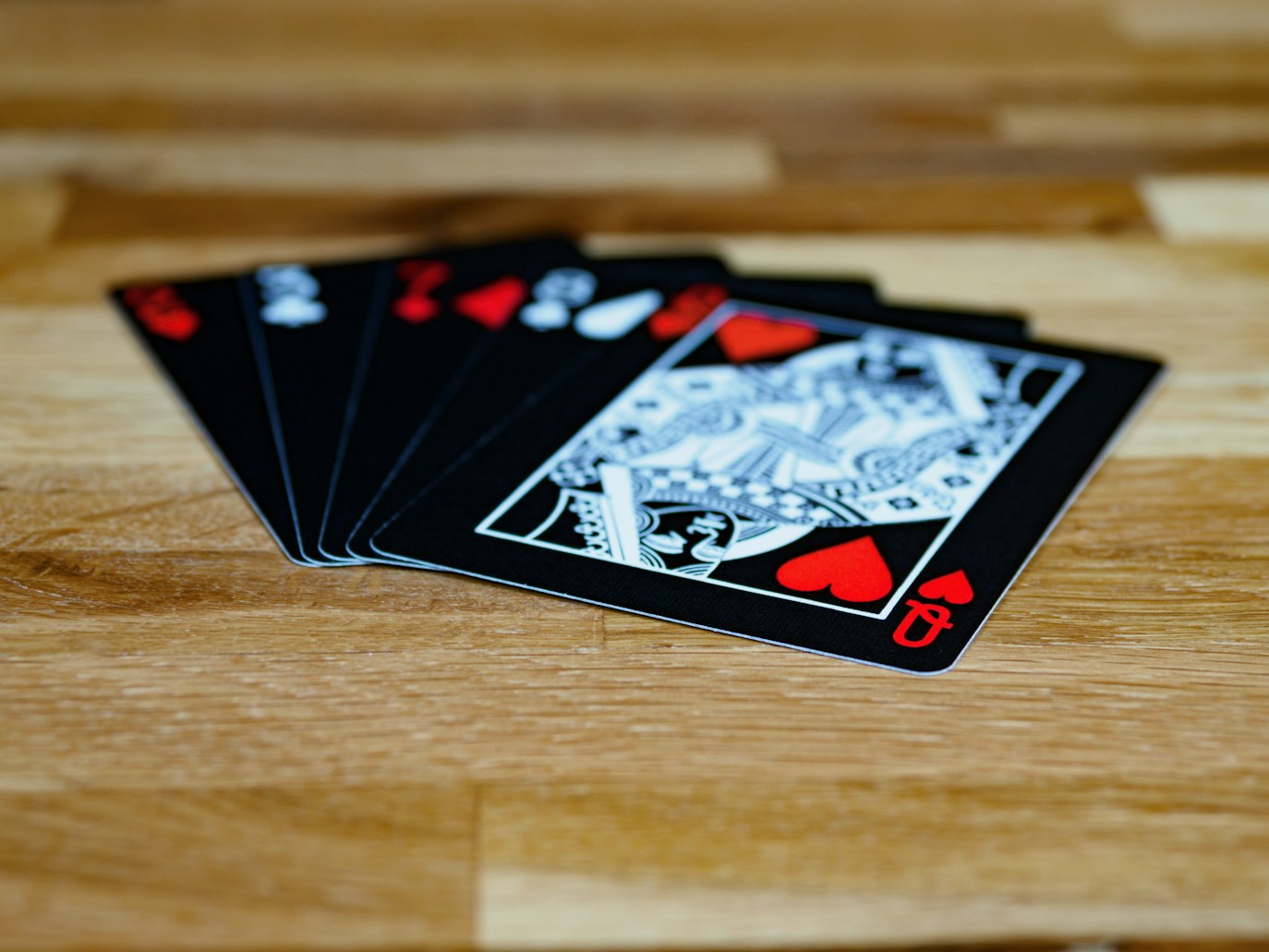
The role of randomness becomes even clearer in games like slots, where outcomes are driven by Random Number Generators (RNGs). These algorithms ensure that every spin is independent, making previous results irrelevant for predicting future outcomes. Understanding these mathematical principles is crucial for players who wish to navigate the gambling landscape with a clearer comprehension of what influences their success or failure. This knowledge can enhance their overall gaming experience and promote responsible gambling practices.
Psychological Factors Influencing Perception of Luck
The perception of luck in casino games is shaped not only by random chance but also by various psychological factors. Gamblers often encounter cognitive biases that influence their beliefs regarding luck and winning sequences. For instance, the “gambler’s fallacy” leads players to mistakenly assume that past outcomes can impact future events, such as believing that a particular roulette color is “due” for a win. This fallacy can drive irrational betting behaviors, stemming from the false belief that luck can be predicted or controlled.
Moreover, the excitement of gambling can heighten emotional responses, creating a feedback loop where exhilaration may lead to overconfidence in predicting outcomes. After experiencing a series of wins, players may feel invincible, convinced that their luck will persist indefinitely. This psychological state can affect not just individual gameplay but also group dynamics in social gambling settings, where players often reinforce each other’s perceived luck. Recognizing these psychological influences can help gamblers maintain a balanced approach to their gaming experiences.
Acknowledging the limitations of one’s control over luck and the essential role of chance in gambling is vital for players. By cultivating awareness of these psychological factors, individuals can approach games with a more rational mindset. This understanding can mitigate the risk of gambling-related issues and encourage responsible participation. Ultimately, grasping how psychology shapes the perception of luck can empower players to make informed decisions and enjoy the gaming experience without falling victim to misconceptions about predictability.
Strategies for Casino Games and Their Limitations
Many casino players resort to various strategies in hopes of enhancing their chances of success. These methods can encompass betting systems, card counting in blackjack, or attempting to capitalize on perceived patterns in games like roulette. While these techniques can enrich the gaming experience, their effectiveness in predicting luck is often overstated and limited. For instance, card counting may offer a statistical advantage, yet it does not assure victory due to the inherent randomness of card distributions.

Furthermore, employing strategies can foster a false sense of control over an uncontrollable situation. Players may feel more empowered by adhering to a specific betting system; however, when confronted with the realities of luck and chance, their strategies can easily unravel. The house edge prevalent in many casino games guarantees that, over time, the casino will consistently profit, irrespective of individual player strategies or attempts to forecast luck. This reality highlights the importance of recognizing the limitations of any strategy used in a casino context.
Ultimately, while strategies can offer insights into maximizing gameplay or minimizing losses, they cannot accurately predict luck over extended periods. Successful gambling involves striking a balance between strategy and the acceptance of chance, allowing players to enjoy the games without becoming overly reliant on methods promising predictability in inherently unpredictable outcomes. This mindset can help players view gambling as a form of entertainment rather than merely a quest for profit, enriching their overall experience.
Conclusion: Embracing Luck in the Casino Experience
The core essence of casino games lies in their unpredictability, with luck serving as both an exhilarating element and a fundamental aspect of the gameplay experience. While players can develop strategies and analyze odds, the true nature of luck remains elusive. Embracing this uncertainty is an integral part of what makes gambling captivating, as each game presents the potential for surprise and excitement. By recognizing the role of luck and its inherent unpredictability, players can cultivate a healthier relationship with gambling, focusing on enjoyment as much as on winning.
As players embark on their casino adventures, maintaining a balanced perspective on luck is crucial. Acknowledging the randomness of outcomes and the limitations of predictive strategies can foster a healthier gambling experience. Those who embrace the thrill of chance while also recognizing the importance of skill can maximize their enjoyment without falling into the common traps associated with misconceptions about luck. Ultimately, understanding the intricate relationship between luck, strategy, and psychology can lead to a more fulfilling and responsible gambling experience.
In conclusion, while luck cannot be predicted, it is the unpredictability that enhances the allure of casino games. This complex interplay of chance, psychology, and strategy creates an exhilarating environment that continues to attract players from diverse backgrounds, ensuring the spirit of gambling remains vibrant in popular culture. By embracing the unpredictability of luck, players can engage with casino games in a way that prioritizes enjoyment and responsible gaming, rather than solely focusing on the outcomes.